A CogSci 2026 Workshop on
Translating Empirical Research for Social Media
From Finding
to Feed
A hands-on workshop for science communication
Join us for a beginner-friendly workshop on turning empirical research into social media content that is clear, engaging, and accessible to audiences beyond academia.
Leave with more than ideas
A complete draft social media post based on your own research
Practical strategies for translating research beyond academia
Reusable outreach templates and workflows
Tools to simplify and speed up content creation
Techniques for coordinating message, audience, platform, and design
You might be wondering…
Do I need to bring my own research?
Ideally, yes. Bringing one empirical finding from your own work will allow you to leave with a draft outreach post based on something you actually want to communicate.
Do I need to be active on social media already?
No. This workshop is designed for people who may already have a platform, even if it is a dormant LinkedIn profile, an unused Bluesky account, an abandoned lab Instagram, or a simple personal website.
What if outreach feels awkward to me?
That is a common starting point. The workshop offers practical strategies, examples, and templates to make outreach feel more manageable, intentional, and less improvised.
Organizer & Presenters
Lauren N. Girouard
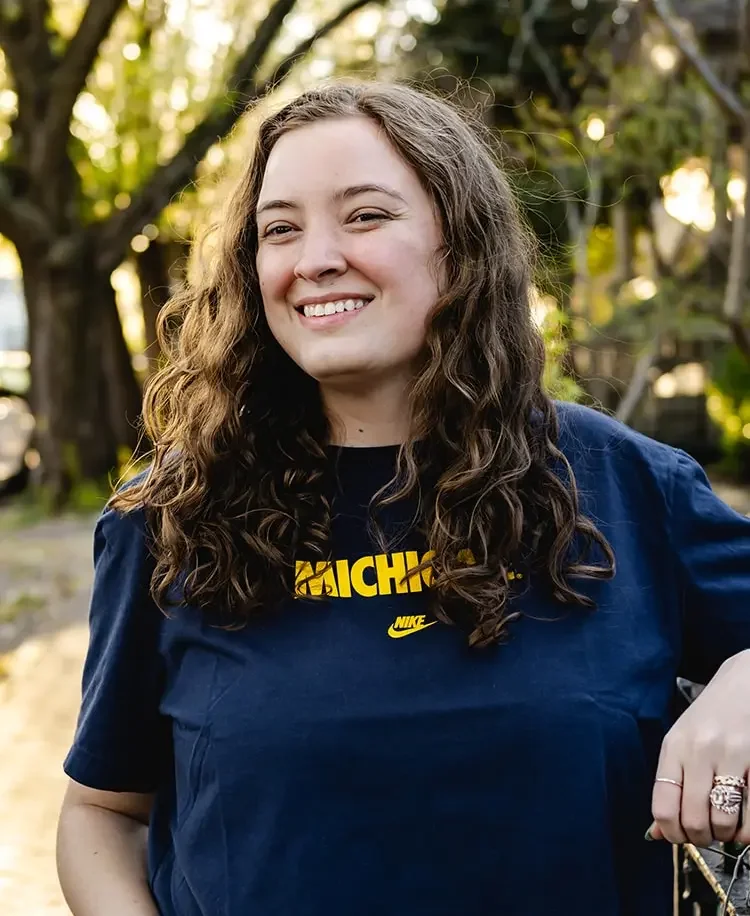
Lauren N. Girouard, CogSci Outreach Coordinator, will organize and moderate the workshop. She will open by framing the central challenge: empirical findings do not automatically become public-facing messages. Participants will be invited to distinguish among a study, a result, a takeaway, and a post, establishing shared vocabulary for the moderated discussions and final activity.
Marcelo Viridiano
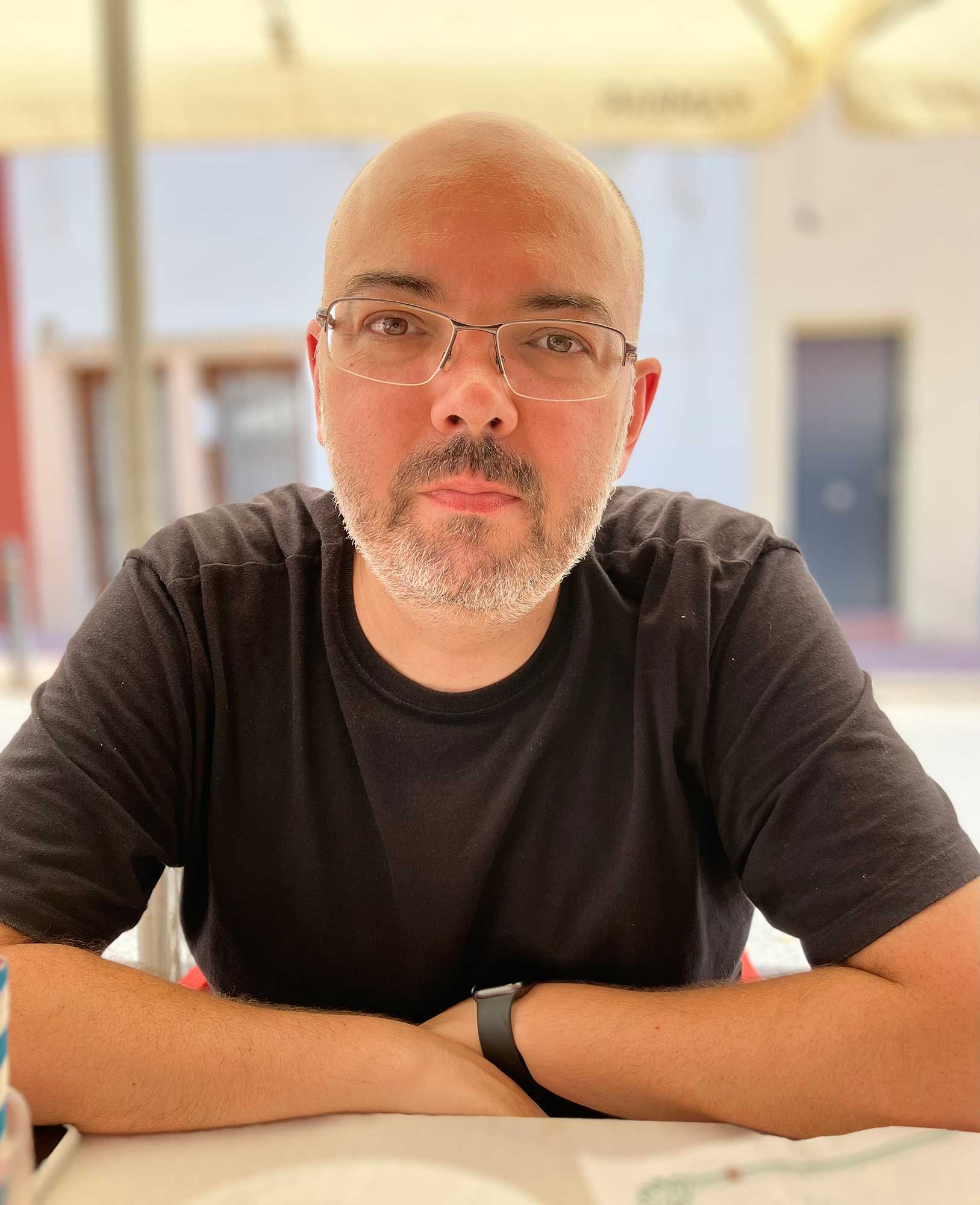
Marcelo Viridiano, Content Production Manager for the Cognitive Science Society, will contribute expertise in graphic design and visual communication, approaching science communication as a design problem and arguing that every choice a researcher makes about format, platform, and framing is a design decision that shapes how audiences receive and understand their work.
Drawing on his experience as a visual designer for scientific societies and academic institutions, he'll will use real examples from brand campaigns and broader communication practice to illustrate why the most effective science communication tends to come not from optimizing for reach, but from communicating with a genuine voice.
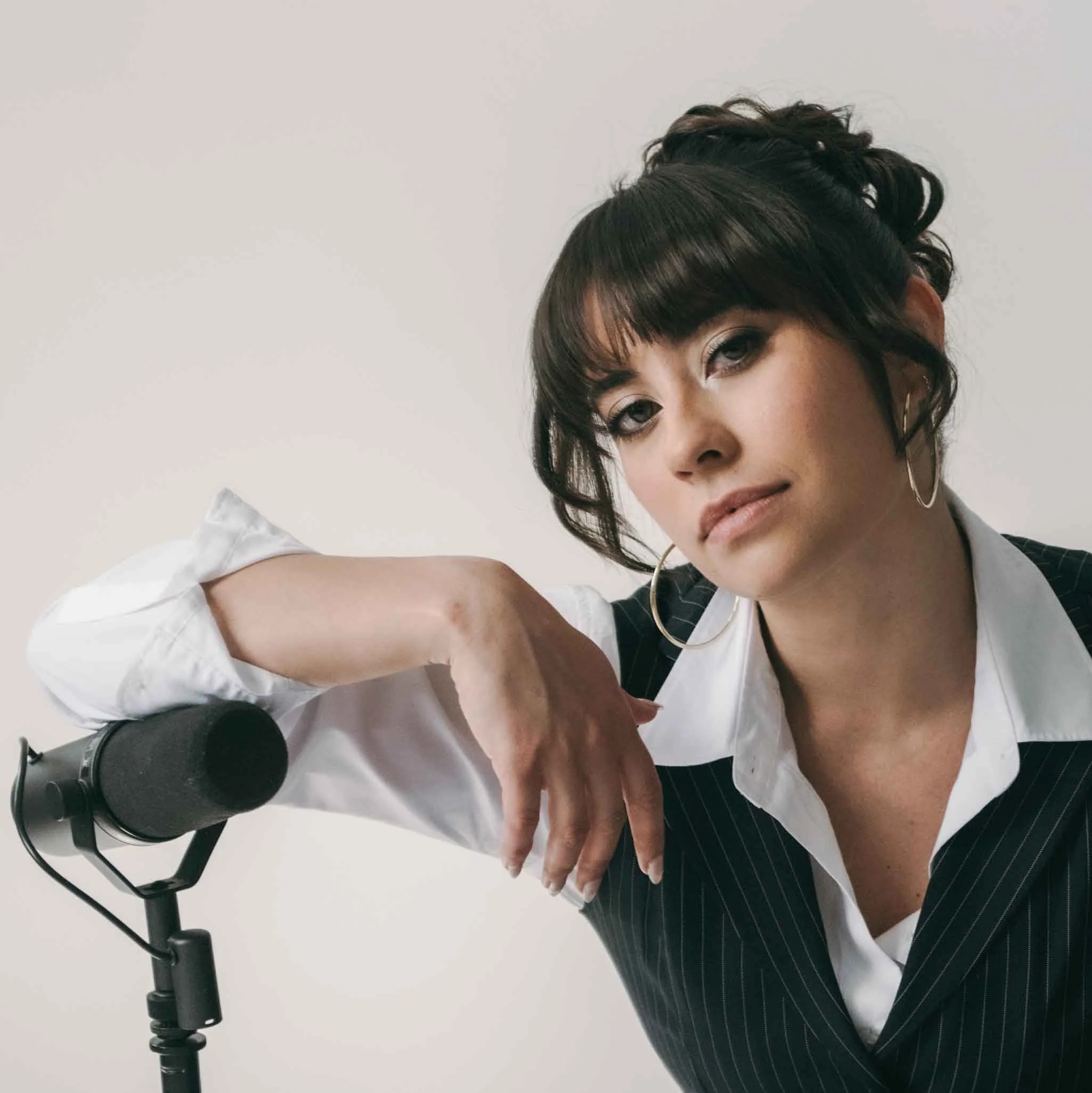
Jessica Chomik-Morales
Jessica Chomik-Morales will contribute expertise as a multilingual science writer, neuroscience communicator, cognitive neuroscience researcher, and member of the MIT Graduate Program in Science Writing. Her fireside chat will address broader science communication principles that participants can apply to social media: translating jargon into accessible language, writing for non-specialist audiences, using narrative without sacrificing accuracy, and deciding which details to omit, preserve, or foreground.
Her experience communicating neuroscience in Spanish, including through Mi Última Neurona, and her fluency in Spanish and Portuguese will help foreground multilingual and culturally responsive outreach.
Register
Workshop 7
From finding to feed: Translating Empirical Research for Social Media
Wednesday, July 22
1:00 PM – 4:30 PM
Abstract
Cognitive scientists spend much of their professional training learning how to explain empirical research to one another: in talks, papers, posters, grant proposals, and conference discussions. An integral part of our training is the communication and dissemination of scientific ideas at an expert level. Far less attention is given to translating that same work for communities beyond academia. This gap matters because cognitive science produces findings about learning, reasoning, attention, memory, communication, development, decision making, and human-technology interactional topics that many members of the public already encounter in everyday life. Cognitive research is fascinating, relevant, and often meets urgent needs. Yet when research findings circulate without context, they can be misunderstood, oversimplified, or mistrusted. People may not trust what they cannot understand, and many misunderstandings begin at a basic level: what empirical research is or looks like, what evidence can show, and crucially, why scientific claims are often conditional and open to revision.
Read the full proposal